

Loresho Uncovered: From Coffee Fields to Millionaire Mansions

Sleek, suave, and undeniably sophisticated—Loresho Estate stands as one of Nairobi’s most prestigious residential neighbourhoods. Known for its expansive homes, quiet streets, and high property values, the estate paints a picture of exclusivity and affluence. But beneath this polished exterior lies a rich and complex history shaped by transformation, contrast, and community.
From Coffee Plantations to Luxury Living
Before its modern identity took shape, Loresho was vast farmland dominated by coffee plantations. During the colonial era, British settlers favored the area for its high altitude and cool climate—ideal conditions for coffee farming. Acres of land stretched across what is now a prime residential zone.
Following Kenya’s independence in 1963, much of this land was sold to private owners. By the late 1960s, development began in earnest, spearheaded by Loresho Housing Limited. The estate was divided into three main sections: Loresho North, Loresho South, and Loresho Central (also known as Loresho Kaumoni).
Early residents recall a very different landscape.
“It was all coffee up to Lower Kabete Road… all this was dirt road,” says long-time resident Paul Sayer, who moved to the area in 1973.
Today, that once-rural setting has evolved into a suburban enclave of modern homes built on half-acre plots, attracting Nairobi’s affluent class.
Rising Value, Lasting Appeal
Property in Loresho does not come cheap. Over the decades, land and housing prices have soared dramatically. What once cost hundreds of thousands of shillings now commands tens of millions.
A four-bedroom home that sold for KSh 456,000 in 1979 can now fetch upwards of KSh 50 million. Land prices have followed a similar trajectory, with an acre valued at approximately KSh 90 million in recent estimates.
Despite the high cost of living, residents say the estate offers unmatched advantages.
“Infrastructure is good, and it’s close to key amenities,” says James Macharia, chairman of the Loresho Kaumoni Residents Association.
A Neighbourhood of Contrasts
While Loresho is synonymous with wealth and exclusivity, it exists alongside starkly different realities. Bordering the estate is Kibagare, an informal settlement that began as housing for former coffee plantation workers in the early 1970s.

Today, Kibagare is home to over 15,000 residents, many of whom face economic hardship and uncertain land ownership.
“This is the only home I know… but we are always threatened with demolition,” says one resident.
The proximity of wealth and poverty has created tension over the years. In the 1990s and early 2000s, security concerns led to increased burglaries, prompting residents to erect gated entrances and hire private security.
Some Kibagare residents argue that these measures serve to exclude them rather than improve safety.
Security, Infrastructure, and Change
Although security has improved, challenges remain. Road conditions, particularly in older sections like Loresho North, have deteriorated over time, prompting some residents to take matters into their own hands by funding repairs.
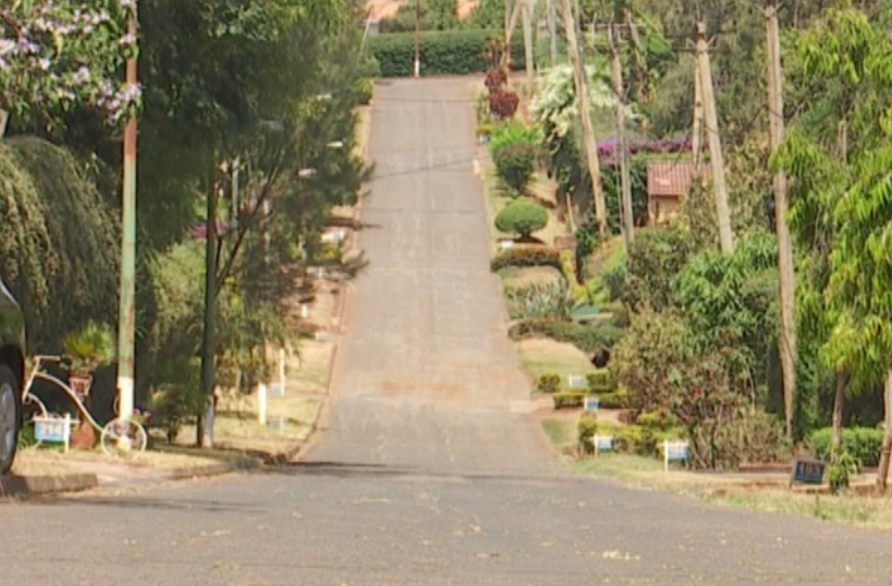
“Loresho has changed… the roads have become worse,” notes long-term resident Stephen Ng’ang’a.
At the same time, increased development has led to fewer trees and more densely built homes, altering the estate’s once-green character.
A Growing Lifestyle Destination
Despite its challenges, Loresho continues to evolve. New businesses are reshaping the social landscape, including high-end establishments like Shamba Café—a farm-to-table restaurant offering a blend of luxury dining and local produce.
The venue reflects a broader trend: Loresho is not just a residential area, but an emerging lifestyle destination.
The Loresho Identity
For many residents, Loresho represents the best of Nairobi living—privacy, space, and community. Yet its story is also one of contrast: wealth alongside struggle, growth alongside tension, and modernity layered over history.
In the end, Loresho is more than just an address. It is a living narrative of Nairobi’s past, present, and future—where prestige meets reality in one of the city’s most fascinating neighbourhoods.


Comments